
Card machines, alarms and lift lines: what the 31 January copper switch-off will actually break
The 31 January 2027 copper switch-off isn't just about desk phones. Here's how to find the card machines, alarms, lift lines and other kit still relying on a copper line, and what to do about each one before the deadline.
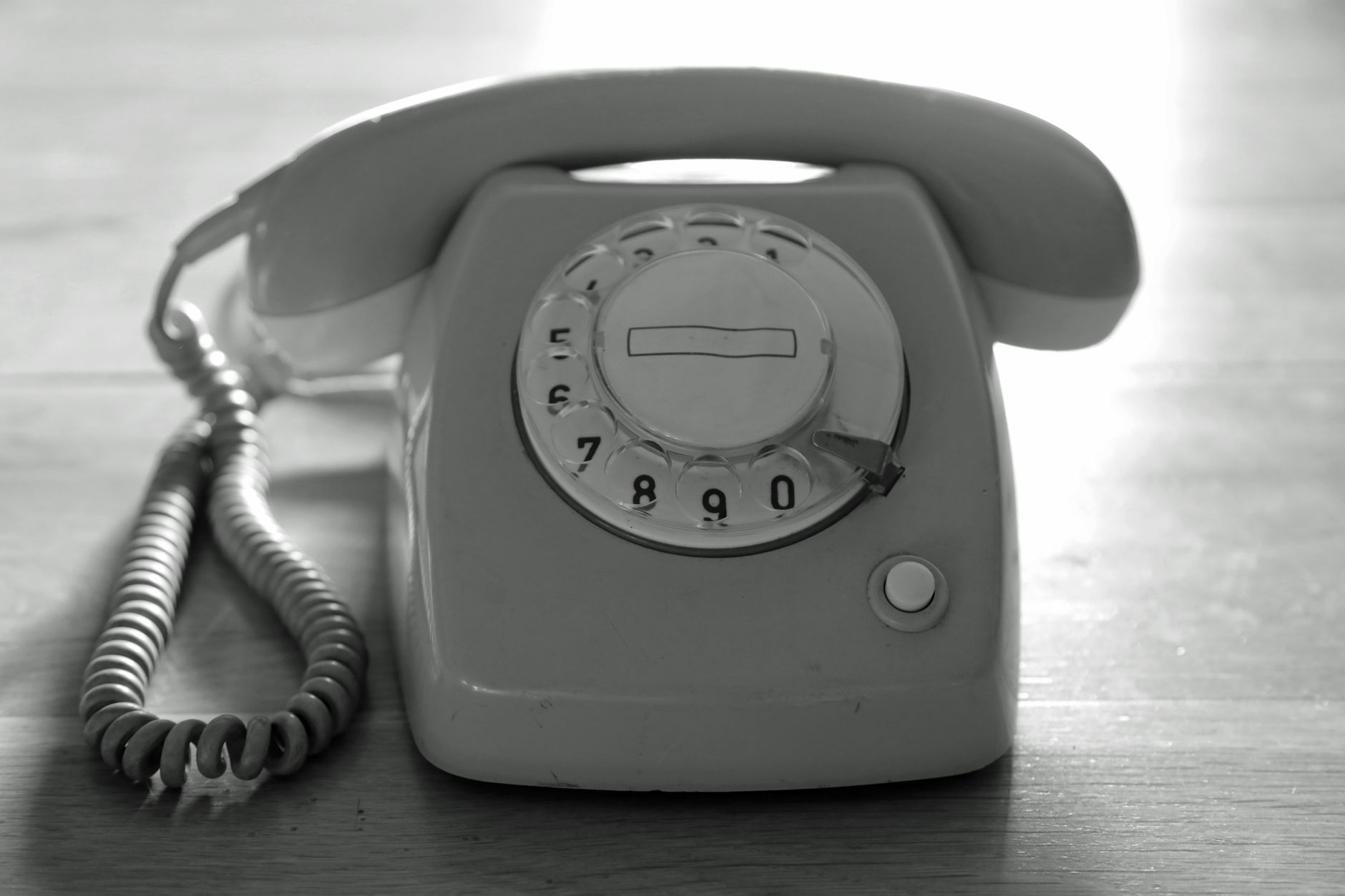
The UK's old copper phone network closes on 31 January 2027, and the date isn't moving. On 24 September, Openreach confirmed that the deadline "remains unchanged". It estimates that around 350,000 business premises are still on the old network.
In July we covered the basics of the switch-off and how to tell if your phones are affected. This post is about everything else. Most businesses that get caught out aren't caught out by their desk phones. It's the card machine, the alarm or the lift line, kit that quietly uses a copper line and that nobody has thought about since the day it was installed.
Why non-phone kit breaks
Lots of equipment talks over a phone line rather than the internet. A dial-up card terminal calls its bank to authorise a payment. An alarm panel dials its monitoring centre. A lift's emergency phone calls a rescue service, often sending data as touch-tones down the line. Some of this kit also draws its power from the copper line itself, so it keeps working in a power cut.
Digital phone lines don't always carry those tones and data reliably, and they don't supply power down the line. GOV.UK's guidance lists alarms, payment terminals, lifts, intercoms and broadband among the things businesses need to check. BT adds EPOS, door entry, CCTV and fax machines. ISDN and ADSL broadband close on the same date.
How to find copper-dependent kit: a practical audit
Set aside an hour with whoever knows the building best.
Get the full list of lines. Ask your phone provider for every number and circuit billed to your business, at every site. Look for line rental, WLR, ISDN2/ISDN30 or ADSL on your bills.
Ring every number. If a number rings nowhere obvious, or plays modem or fax tones, something is using it. Find out what.
Walk the building and follow the cables. Check the comms cupboard, the reception desk, the till, the alarm panel, the lift motor room, the plant room, the gate and the door entry panel. Anything plugged into a phone wall socket, or into a phone-socket port on a router, needs checking.
Read the labels and paperwork. Alarm panels often have a "communicator" or "dialler" module. Maintenance contracts for alarms, lifts and payment terminals usually say how the kit connects.
Ask each supplier one question: "Does this device rely on an analogue phone line, and is it compatible with a digital line?" Get the answer in writing.
Don't forget the outliers. Storerooms, plant rooms, car-park barriers, remote sites, and that second office you still hold the lease on.
Record what you find: the device, its location, the number it uses, the supplier, and the plan for it.
What to do about each type of device
Card terminals and EPOS. Most modern terminals connect over broadband, Wi-Fi or a mobile SIM and won't be affected. Older countertop terminals that dial out over a phone line will stop working. Some EPOS systems also dial out overnight to send sales data. Your payment provider, not your phone company, is the right first call. They can confirm how the terminal connects and swap it if needed. Once you're on broadband, a backup line or 4G/5G failover keeps you taking payments if the main connection drops.
Intruder and fire alarms. Monitored alarms often signal to a receiving centre over the phone line. The BSIA warns that PSTN-based alarms will fail and need upgrading. Speak to your alarm installer or monitoring company. The usual fix is IP or mobile signalling, often both ("dual path"). Ask them to check that both paths don't depend on the same router or power supply, and tell your insurer if the signalling changes.
Lift emergency lines. The Lift and Escalator Industry Association says most UK lift alarms were connected over the phone network. It also notes that the building owner is usually responsible for the communication link. Your lift maintenance company will usually recommend a GSM (mobile) unit or a digital-compatible alarm. LEIA's guidance covers checking that the alarm's touch-tone signalling works on the new line, and battery backup for at least an hour. Get the lift company to test it after the change.
Door entry and gate systems. Audio intercoms that call a phone number when a visitor presses the button often use a dedicated line. Ask the installer about a GSM or IP replacement. If you're reviewing access anyway, modern access control runs over your network instead.
Franking machines. Some older machines top up postage credit through a built-in modem. Ask your franking supplier whether yours can connect over your network instead, or whether it needs replacing.
Fax. Faxing over digital lines can be unreliable. If you still need fax (some suppliers and public bodies still ask for it), look at a fax-to-email service and check whether anyone still uses that number before you pay to keep it.
Telecare and personal alarms. These matter if you manage sheltered housing, supported living or care premises. Talk to the telecare provider and the line provider before any switch. Openreach runs a "Prove Telecare" service, where an engineer tests the device on the new line before the upgrade.
Building management, meters and telemetry. Boiler and plant controls, utility meters and pump or tank monitors sometimes report in through a dial-up modem. These are the easiest to miss, because nobody sees them. Ask your facilities or maintenance contractors to check.
The phones and broadband themselves. If your broadband comes with a phone line (ADSL, or fibre-to-the-cabinet with line rental), that changes too. The usual replacement is full fibre (FTTP) or SOGEA, a broadband line with no phone line attached. Your calls then move to a VoIP phone system, and you keep your numbers. Our business VoIP phone system starts from £13.95 per phone per month, billed monthly with no long-term contract.
What happens if you miss the date
After 31 January, lines that haven't moved may be transferred to EVAc, Openreach's temporary emergency service. Openreach describes it as "temporary, limited and more expensive than modern digital alternatives", designed to keep access to essential calls. Openreach's notes on the service make three things clear:
It can't be ordered in advance or reserved, and capacity isn't unlimited.
Providers will pay Openreach £35 a month per line (WLR3 Basic) or £38.60 (WLR Premium) for it.
Lines that can't go onto EVAc will be ceased in tranches.
Openreach will try to keep linked broadband running where it's technically possible, but there's no promise. Don't count on EVAc to carry your alarm signalling, lift line or card payments.
Waiting is already costing money. Openreach put wholesale line rental up 40% in July and by a further 40% in October, after a 20% rise in April.
A simple timeline
Now to mid-November: run the audit above and list every line and device.
November: contact the alarm, lift, payment and franking suppliers. Order replacement connectivity, because installs take time to book.
December: install, port your numbers and test every device on the new service. Make a live card payment, send a test alarm signal and press the lift alarm button.
Early January: cease the old lines only once everything's tested. Keep the audit list for your records.
31 January 2027: the PSTN closes.
Engineers, alarm companies and lift contractors will all be busy in the last few weeks. Booking in November is much easier than booking in mid-January.
FAQs
Will my card machine stop working on 31 January? Only if it uses a phone line to connect. Most modern terminals use broadband, Wi-Fi or a mobile SIM. Check with your payment provider rather than assuming.
Who is responsible for moving my alarm or lift line? Your telecoms provider moves the line, but the device is down to your alarm or lift maintenance company, and to you as the building owner or manager. Get all of them talking early.
Can I keep my phone numbers? Yes. Numbers can be ported to a VoIP service. We cover this in our July post and on our business phone systems page.
What if my building can't get full fibre? SOGEA gives you broadband over the existing line without the old phone service. You can check what your address can get on our business broadband page.
Is EVAc a way to buy more time? No. Openreach says it's a last-resort safety net. It can't be booked, it costs providers more than modern alternatives, and it's temporary.
Not sure what's still on copper?
We look after telecoms and connectivity for businesses across Southport, Liverpool, Manchester and Lancashire. We'll check your lines, tell you plainly what's affected and what isn't, and give you a straight price on what moving looks like.
Get in touch or call 01704 320640 and we'll check your lines.
Keep reading
All articles
A Heartwarming Success: The LCR Connect Event in Southport
5 Reasons Why Your Southport Business Should Upgrade to Ultra-Fast Gigabit Fibre

Want a second opinion on your IT? Let's talk.
Book a free 15-minute consultation — no jargon, no hard sell, just straight answers about your current setup.